
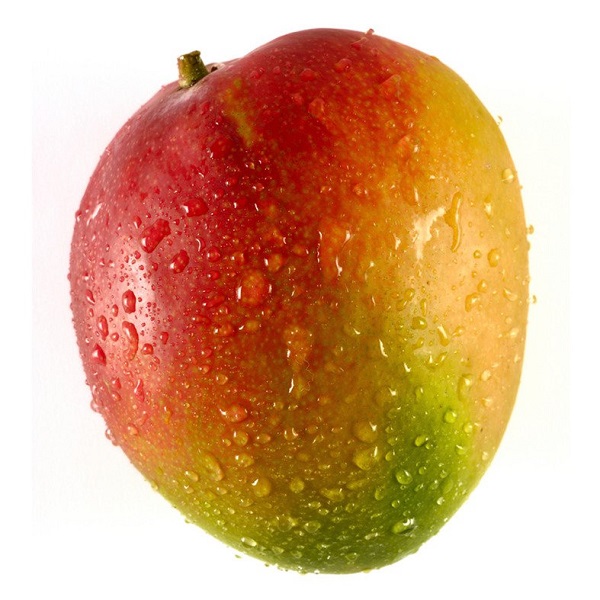
- Production : Kent mangoes are predominantly grown in Mexico, particularly in the states of Sinaloa, Nayarit, and Michoacán. They are also cultivated in other countries with suitable tropical and subtropical climates.
- Cultivation : Kent mango trees thrive in warm tropical and subtropical regions. They require well-drained soil and regular irrigation. The trees are vigorous, with a spreading canopy, and can reach a height of up to 15 meters.
- Harvesting : The harvesting season for Kent mangoes in Mexico typically spans from March to September, with peak production occurring in May and June. The fruits are harvested when they reach their mature stage and develop a yellowish-green skin with a slight blush.
- Export : Kent mangoes are extensively exported to various countries around the world. They are highly regarded for their size, flavor, and shelf life. The United States is a significant market for Mexican Kent mangoes.
- Other Important Info : Kent mangoes have a rich, sweet flavor with tropical and floral undertones. They are known for their fiber-free, tender flesh, making them suitable for eating fresh, juicing, and various culinary applications.
Introduction
Kent mango is a popular Mexican mango variety known for its large size, juicy flesh, and sweet flavor. It is named after the region in Florida where it was first cultivated. Kent mangoes are widely recognized for their excellent eating quality and are highly sought after in both domestic and international markets.
Production Details
- Tree Type : The Kent mango tree belongs to the Mangifera indica species and is an evergreen tree with a symmetrical, upright growth habit. It has a dense and spreading canopy that provides ample shade.
- Leaf : The leaves of the Kent mango tree are leathery and oblong-shaped, with a glossy dark green color. They are arranged alternately on the branches.
- Inflorescence : Kent mango trees produce panicles of small, fragrant flowers. The flowers are pale yellow and usually appear before or simultaneously with the emergence of new leaves.
- Stone & Seed Info : Kent mangoes have a large, oblong-shaped stone or pit at the center. The stone encloses a single seed that is relatively large and flattened..
- Yield : The yield of Kent mangoes can vary depending on factors such as tree age, growing conditions, and cultural practices. Mature trees can produce a significant number of fruits, and their large size contributes to a higher overall yield.